Between February 18 and February 20, 2026, FDA recall postings highlighted a cluster of issues that sit directly in the workflow “hot zone” for minimally invasive surgery (MIS): laparoscopic insufflation, robot-assisted surgery platform configuration, and endoscopic accessory durability. While these recalls span different risk classes and product categories, they share the same operational consequence for U.S. hospitals and ASCs—you can’t run high-volume MIS safely without tight device governance, fast inventory traceability, and a practiced substitution plan.
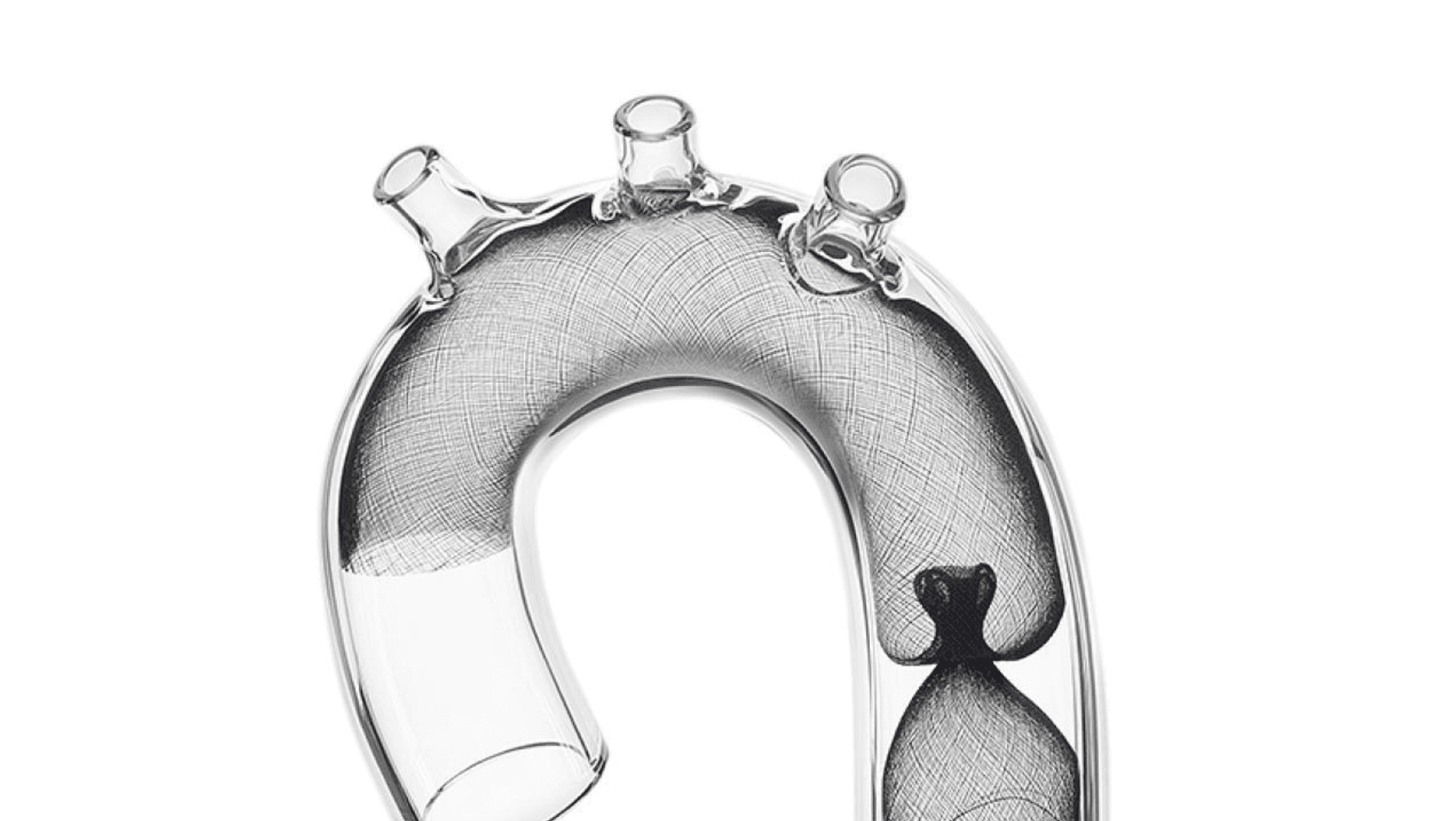
The most urgent signal is a Class I recall involving Olympus High Flow Insufflation Unit models. The FDA posting cites a software algorithm issue that may lead to overpressure events, and the corrective path is blunt: stop using affected units and shift to alternatives (including switching to another insufflation device manufacturer if needed). For facilities that still have these discontinued-but-in-service units sitting in inventory, this is a “hard stop” event. Insufflators are not optional in laparoscopy; they are foundational infrastructure for visualization and working space. When an insufflator is removed from service, it can become an immediate capacity constraint for laparoscopic rooms unless backups are already staged.
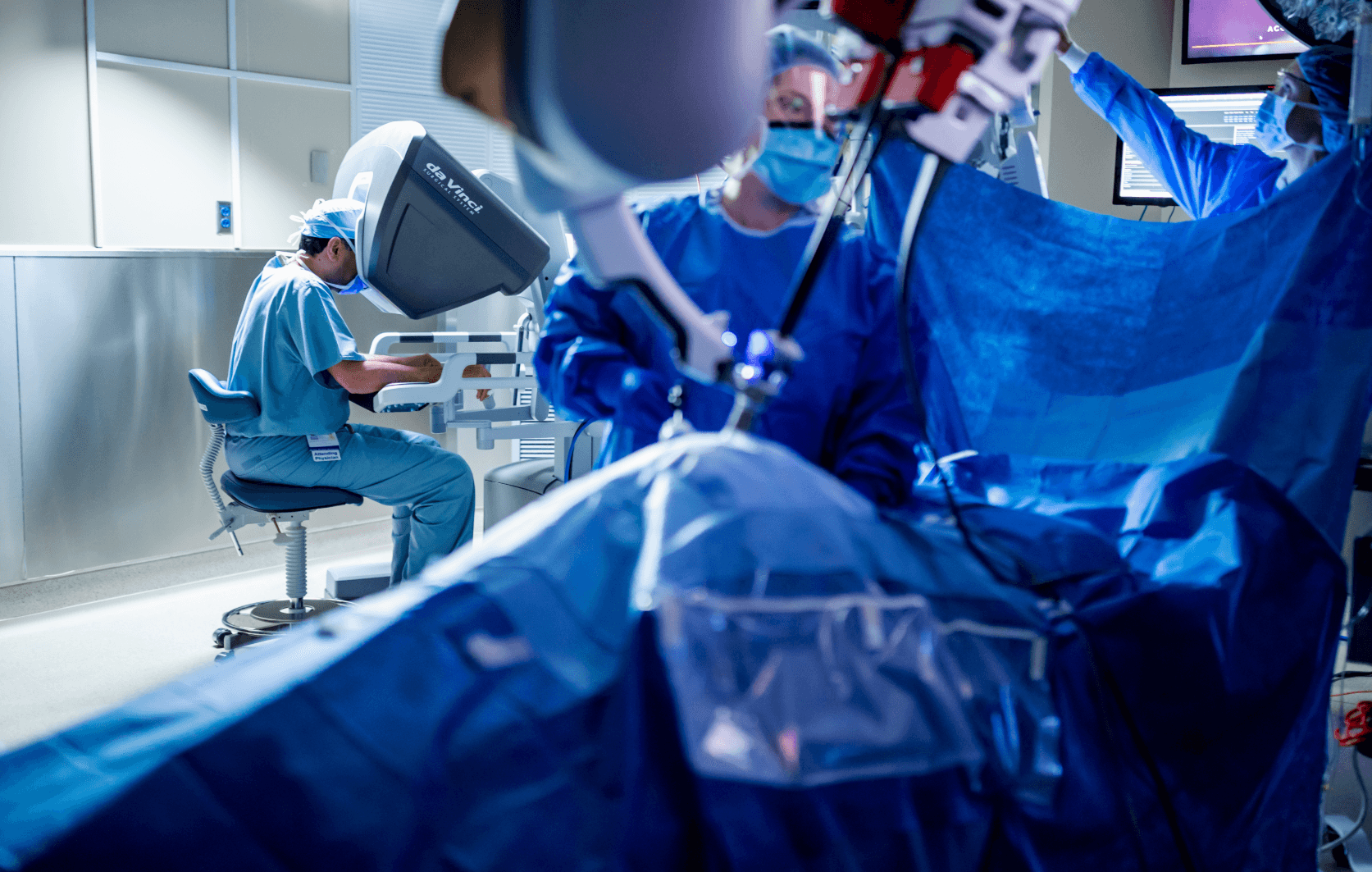
On the robotics side, the FDA posted a Class II recall for Intuitive Surgical’s da Vinci 5 platform (console assembly), including reference to specific software versioning in the affected configuration. While the recall classification indicates a lower risk level than Class I, the practical impact can still be significant: when a robotic platform requires correction, facilities must coordinate with the manufacturer, validate that the updated configuration is applied, and ensure that clinical teams know exactly which systems are cleared for use. In environments running multiple da Vinci generations, any ambiguity can lead to downtime, schedule reshuffling, or last-minute conversion to laparoscopic/open techniques.
Adding to the same week’s disruption potential, the FDA posted a Class II recall for an Olympus Inner Sheath used as an accessory for gynecological endoscopic diagnosis and treatment. The recall notes complaints of the ceramic tip breaking and applies broadly (“all lots” listed in the posting). Even when a facility can swap the primary scope system, accessory breakage issues can create immediate procedural uncertainty, especially in cases where the sheath is integral to the operative approach and the clinical team is trained around a specific component set.
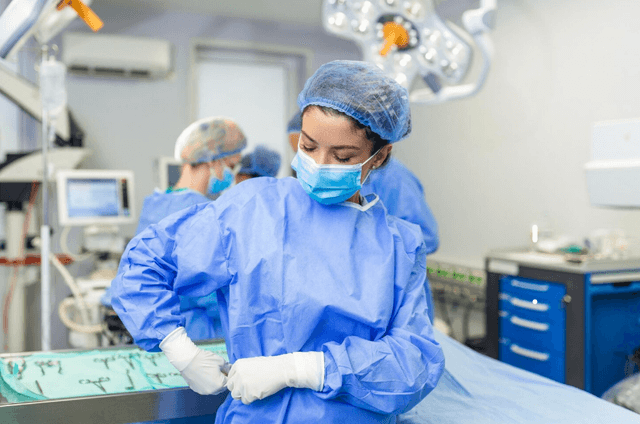
These recalls matter because they target “throughput multipliers.” In many hospitals and ASCs, MIS growth has been supported by standardizing rooms around laparoscopic
towers, insufflation, and (in some service lines) robotics, then using preference cards and kits to keep turnovers tight. When an insufflator is pulled, a robot needs correction, or a key accessory is quarantined, the impact isn’t isolated to one surgeon or one day. It can be translated into:
• Immediate case capacity loss (fewer rooms capable of laparoscopy/robotics if backups aren’t staged).
• Higher labor and coordination burden on biomedical engineering, OR leadership, SPD, and supply chain teams to verify status and manage substitutions.
• Increased variation if surgeons shift to alternate devices or approaches, which can drive supply expense and raise error risk during room setup.
• Vendor and service dependency spikes, especially where replacements require loaners, expedited shipments, or on-site field support.
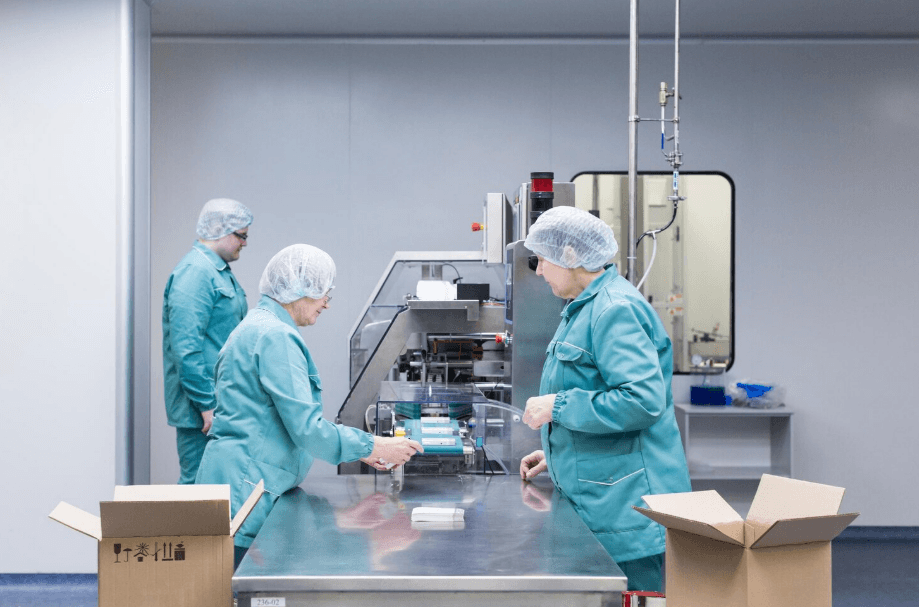
From a market lens, the week’s postings underscore a larger trend: as surgery becomes more technology-enabled, “device uptime” becomes a supply chain metric, not just a clinical engineering concern. The best-performing perioperative supply organizations now treat software version control, fleet redundancy, and accessory compatibility as core procurement and readiness priorities.
Hospitals and ASCs running high MIS volume are most exposed. A single insufflator removal can force rooms offline or reduce scheduling flexibility, particularly in outpatient environments where case blocks are tightly stacked and delays quickly create cancellations.
Perioperative leadership and charge teams are impacted through day-of-surgery decision-making: whether to reassign rooms, shift surgeons, or convert procedures. Even when clinically safe, conversions tend to increase variability, lengthen OR time, and disrupt post-op flow.
Clinical engineering/biomed teams become pivotal. Class I events that require immediate cessation of use demand rapid device identification, physical quarantine, and documentation. For robotic corrections, the biomed–vendor coordination loop must be airtight so that only compliant systems remain in service.