Medtronic has reached a major regulatory milestone with the U.S. Food and Drug Administration (FDA) clearance of its Hugo™ Robotic-Assisted Surgery (RAS) system for use in minimally invasive urologic procedures, a development widely viewed as a turning point for the U.S. surgical robotics market.
The FDA decision, announced in early December 2025, authorizes the Hugo™ system for procedures including prostatectomy, nephrectomy, and cystectomy, based on clinical data demonstrating system safety and performance. The clearance has been independently reported by multiple reputable industry publications, including MedTech Dive and MassDevice, and confirmed through Medtronic’s official regulatory disclosures.
For hospitals, ambulatory surgery centers (ASCs), and integrated delivery networks (IDNs), the approval introduces the first serious new competitor in the soft-tissue robotic surgery space in several years — a market historically dominated by Intuitive Surgical’s da Vinci platform.
Since receiving its first FDA clearance in 2000, Intuitive Surgical’s da Vinci system has maintained a near-monopoly in U.S. soft-tissue robotic surgery. While other robotic systems have emerged globally, few have successfully navigated the U.S. regulatory pathway for complex soft-tissue procedures.
Industry analysts agree that Hugo™’s FDA clearance represents the most meaningful competitive entry into the U.S. robotic surgery market in more than a decade. The approval not only validates Medtronic’s long-term investment in robotic platforms but also alters procurement dynamics for health systems evaluating robotic surgery programs.
According to industry commentary from MassDevice and MedTech Dive, the Hugo™ system’s authorization introduces new leverage for hospital leadership when negotiating capital equipment purchases, service contracts, and long-term robotic surgery strategies.
Approved Indications and Clinical Scope
The FDA clearance applies specifically to urologic surgical procedures, including:
• Prostatectomy
• Nephrectomy
• Cystectomy
Medtronic stated that the clearance followed a comprehensive FDA review of clinical trial data and system safety evaluations. While the authorization is currently limited to urology, analysts note that this approval establishes a regulatory foundation that could support future expanded indications pending additional clinical submissions.
Clinical investigators involved in Hugo™’s development emphasized that the system is designed to meet the demands of complex minimally invasive procedures while offering flexibility for surgical teams and operating room workflows.
Hugo™ System Design and Operational Considerations
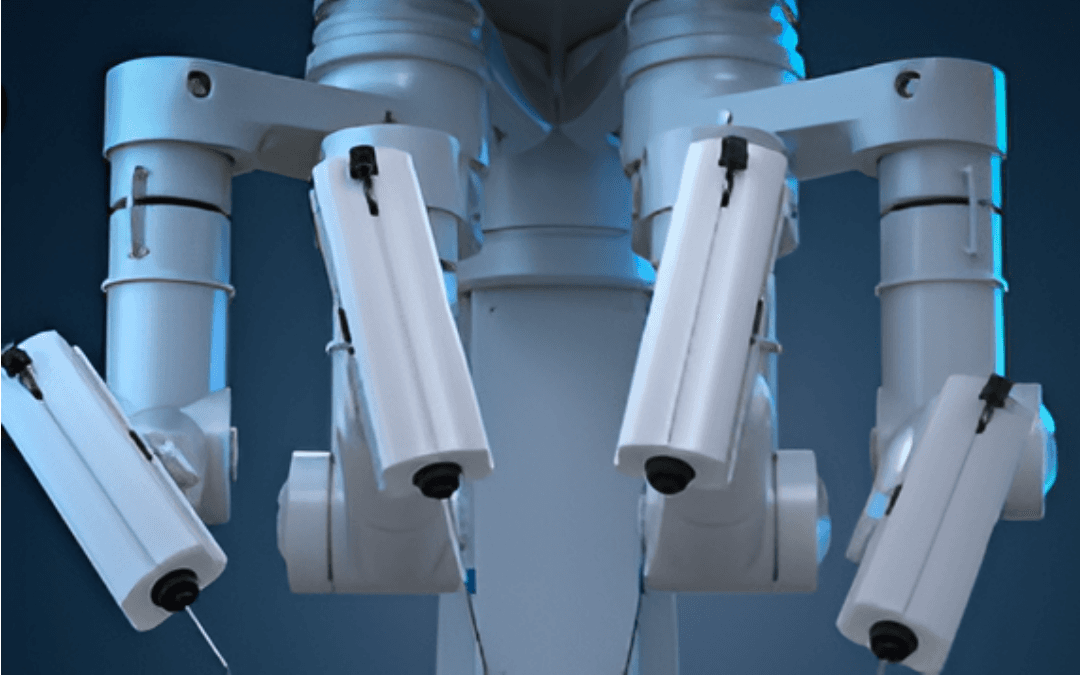
One of Hugo™’s most notable differentiators is its modular system architecture, which contrasts with traditional fixed robotic platforms. The system features independent robotic arms, a portable console, and digital integration capabilities intended to improve operating room flexibility.
For health systems focused on interoperability and data-driven surgical planning, Hugo™’s design may offer advantages in integrating robotic procedures with broader digital OR ecosystems. Medtronic has positioned the platform as compatible with data analytics, imaging workflows, and surgical performance monitoring tools.
From a perioperative and supply chain perspective, the clearance prompts several immediate considerations for hospitals and ASCs:
• Evaluation of Hugo™-specific instrument portfolios
• Integration of new robotic SKUs into inventory management systems
• Sterilization and reprocessing workflow planning
• Biomedical engineering training and service readiness
The FDA approval has direct relevance for hospital CFOs, procurement leaders, and capital planning committees. The U.S. robotic surgery market is estimated to exceed $6 billion globally, with significant capital investment concentrated in large academic and tertiary care centers.
The introduction of a second FDA-cleared soft-tissue robotic platform may:
• Increase competition in pricing negotiations
• Enable alternative contracting or leasing models
• Reduce long-term dependency on a single vendor ecosystem
• Expand robotic adoption into mid-size hospitals and outpatient settings