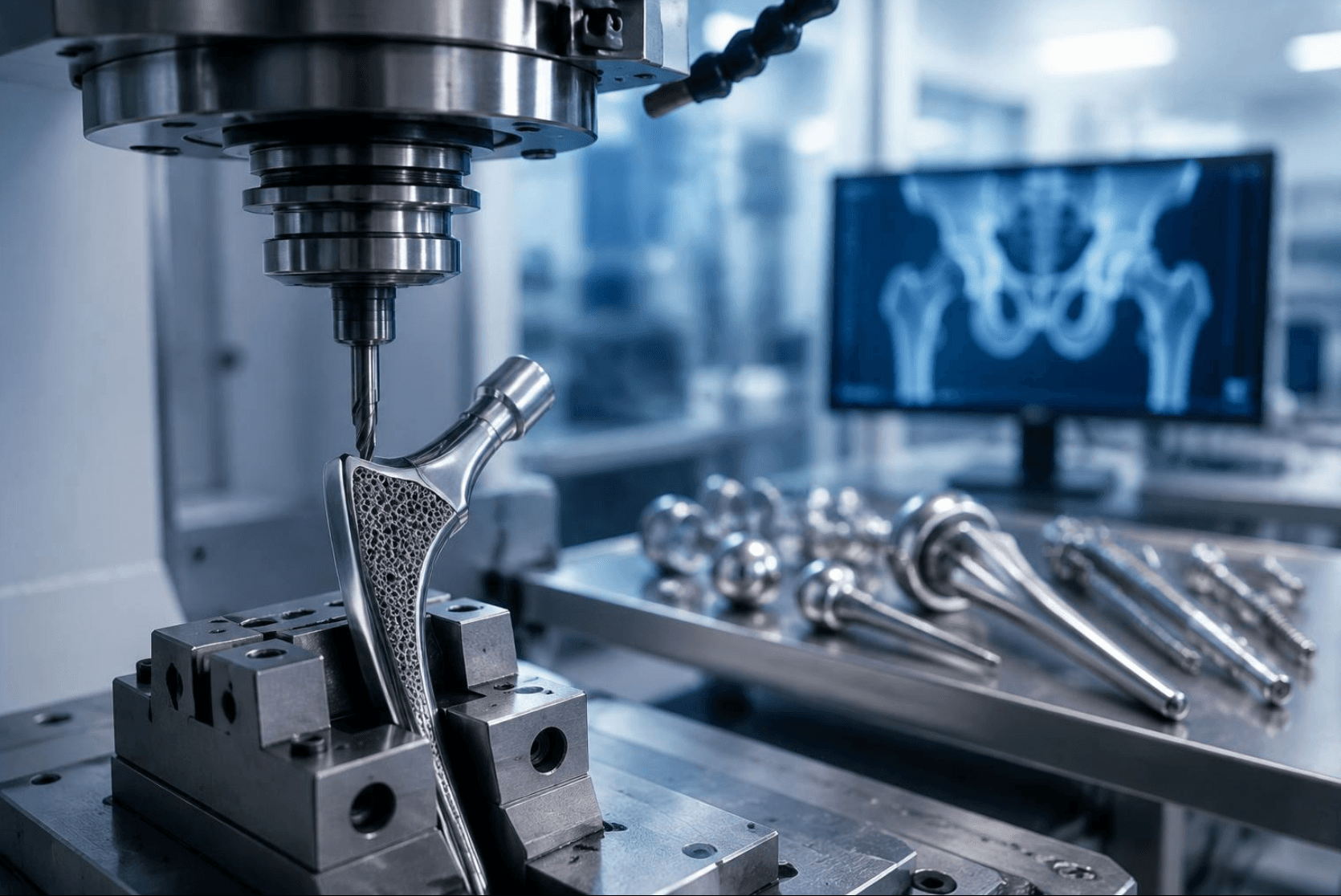
Precera Medical Acquires Additive Metal Services, Expanding MIM and Metal Additive Capacity for Surgical Components.
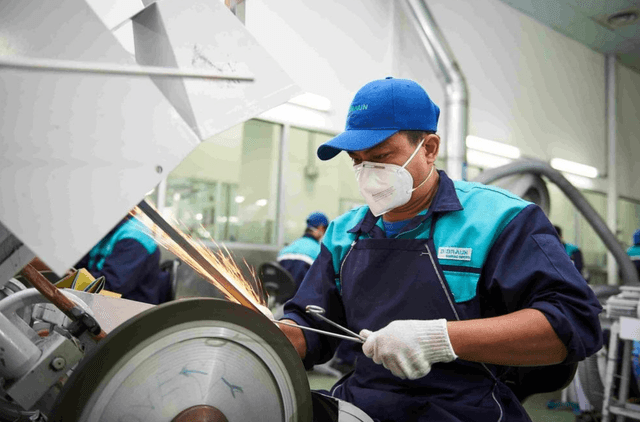
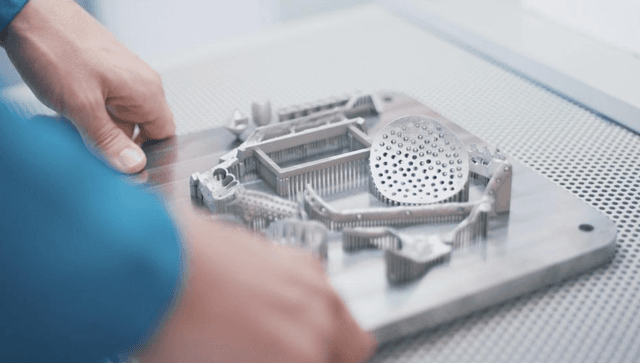
Precera Medical, a Minnesota-based contract development and manufacturing organization serving medical-device OEMs, has acquired the assets and business of Additive Metal Services (AMS) of Port Huron, Michigan. AMS specializes in metal injection molding (MIM) and sinter-based additive manufacturing. Financial terms were not disclosed.
The transaction is Precera’s first strategic acquisition since SK Capital carved the company out of LISI Group’s medical division and relaunched it as an independent CDMO. Precera already operates design, rapid prototyping, precision and micro-feature machining, automation, and finished-device assembly across sites in Minnesota and France. Adding AMS gives the company an in-house path from metal powder processes to finished, machined components.
CEO Dylan Hushka said the combined platform is aimed at parts that demand tight tolerances and documented process control, including robotic-surgery end effectors and distal components for interventional catheter devices. Precera also said it is investing in MIM equipment and infrastructure at its Minnesota facility so automated MIM lots can move into secondary machining without leaving the network. AMS founder Mark Ward described the deal as a way to pair specialized metal processes with Precera’s prototyping, machining, and automation.
For hospital buyers, a CDMO acquisition rarely changes a catalog overnight. It does change how quickly OEMs can scale instruments, implants, and robotic tools that sit on surgical preference cards.
MIM and sinter-based additive manufacturing are used for complex metal geometries that are expensive or slow to machine from bar stock. When those capabilities sit inside the same quality system as finishing and assembly, OEMs can shorten development cycles and, in theory, reduce single-process bottlenecks that have contributed to instrument and implant lead-time risk.
MPO Magazine’s 2026 M&A roundup lists the Precera–AMS deal among a run of CDMO and specialty-manufacturing transactions this year, including other moves to add molding, metals, electronics, and full-service production. The pattern is consistent: outsourcing partners are buying process niches so they can offer an end-to-end path rather than a single step.
That consolidation has a direct supply-chain reading. Hospitals and GPOs do not purchase MIM capacity. They purchase finished instruments, implants, and procedure kits. When upstream metal capacity is concentrated or disrupted, shortages appear as delayed instrument sets, incomplete consignment, or substituted SKUs. Conversely, when a CDMO adds redundant process capability in the U.S., OEMs gain another domestic option for components that previously depended on a narrow supplier base.
According to analysts at Stat Surgical Supply:
“This is a manufacturing-capacity story with OR consequences. Robotic end effectors and catheter-distal metals are not commodities. When CDMOs integrate MIM, additive, and finish machining, OEMs get a more resilient build path—and hospitals get a better chance that complex instruments actually arrive on the date the case is booked.”
The deal also underscores how surgical supply reliability now starts several tiers below the brand on the package. Sub-tier metals, calibration, and process documentation have already triggered field actions in other categories this year. Buyers who only monitor finished-device OEMs can miss the plants that actually make the metal.