On October 21, 2026, Edwards Lifesciences announced that the U.S. Food and Drug Administration had approved its PASCAL Precision system for transcatheter edge-to-edge repair of the tricuspid valve. The clearance expands treatment options for patients with symptomatic severe tricuspid regurgitation who are at intermediate or greater surgical risk and have been judged appropriate for the procedure by a multidisciplinary heart team.
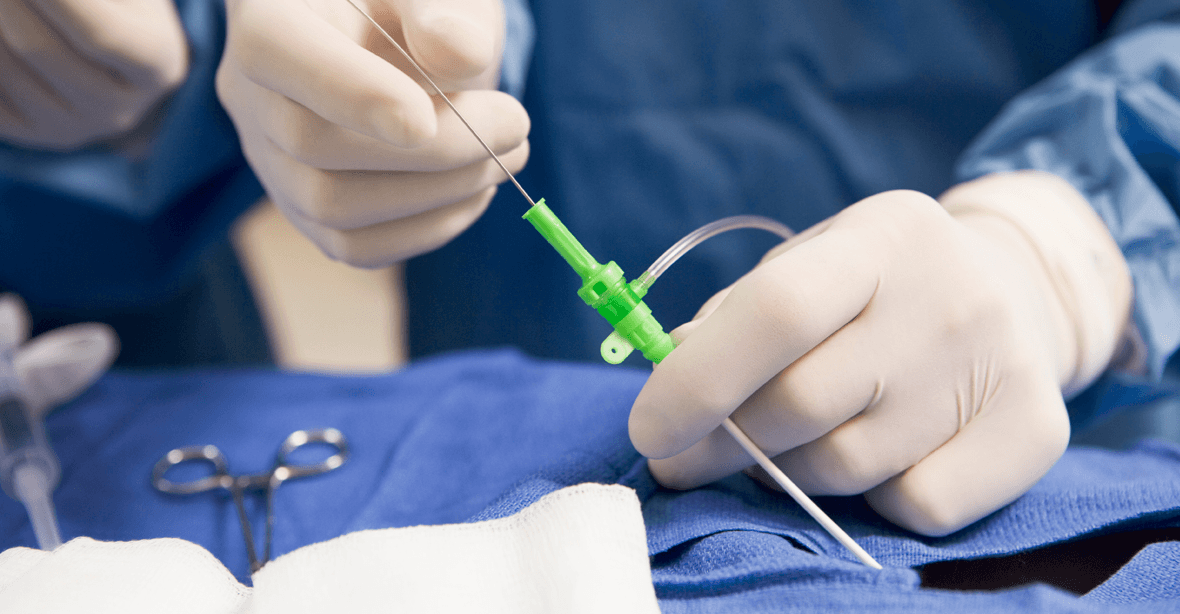
The PASCAL Precision system is a catheter-based device designed to grasp and approximate the leaflets of the tricuspid valve, reducing regurgitation without the need for open-heart surgery. It had previously been approved in the United States for the treatment of degenerative mitral regurgitation. With the new tricuspid indication, Edwards becomes the only company offering both transcatheter repair and replacement therapies for the mitral and tricuspid valves in the U.S. market. The company already markets the EVOQUE system for tricuspid valve replacement.
Tricuspid regurgitation occurs when the valve between the right atrium and right ventricle fails to close properly, allowing blood to flow backward. Severe cases can cause fatigue, swelling, and reduced functional capacity. Medical therapy remains the initial approach, but patients who continue to have significant symptoms despite optimal medical management and who face elevated surgical risk have had limited interventional options. The PASCAL system is intended to improve quality of life and functional status in this population.

Daveen Chopra, Corporate Vice President of Transcatheter Mitral and Tricuspid Therapies at Edwards Lifesciences, said the PASCAL system has been a valuable option for patients with degenerative mitral regurgitation in the United States for several years and that the company is pleased the differentiated therapy is now available to tricuspid patients. He added that the addition of the tricuspid repair system to the company’s portfolio allows clinicians to select the most appropriate therapy for a broader group of patients. Santiago Garcia, M.D., director of the Structural Heart Program at The Christ Hospital Health Network, noted that the differentiated features of the PASCAL system provide benefits in navigating complex anatomies.
The approval is supported by clinical evidence from the CLASP TR program. One-year results from the CLASP TR trial, which evaluated the system in patients with severe symptomatic tricuspid regurgitation despite optimal medical therapy, showed significant improvement in regurgitation severity and durable outcomes. Data from the larger CLASP II TR pivotal trial are scheduled for presentation at the Transcatheter Cardiovascular Therapeutics conference later in 2026. Analysts have observed that the expanded label strengthens Edwards’ position in the underpenetrated transcatheter tricuspid market.
The PASCAL implant is delivered through a transfemoral approach. Its design allows independent grasping of the valve leaflets and can be elongated to navigate dense chordae. The system also permits re-grasping before final deployment. These features are intended to support leaflet optimization while preserving leaflet integrity in anatomies that can be challenging for edge-to-edge repair.
For hospitals and surgical services departments, the availability of a second approved transcatheter edge-to-edge repair option for the tricuspid valve may influence procedure planning, device selection, and inventory. Structural heart programs that already use the PASCAL system for mitral procedures can evaluate the incremental training and supply requirements for the tricuspid indication. Because the device is used in a catheter-based workflow, it fits within existing hybrid operating room or catheterization laboratory setups that support large-bore vascular access and specialized imaging.

The tricuspid repair market has historically lagged behind mitral therapies in device availability. The introduction of an additional clip-based system alongside existing options such as Abbott’s TriClip expands the tools available to multidisciplinary heart teams. Edwards’ dual offering of repair (PASCAL) and replacement (EVOQUE) technologies for the tricuspid valve gives clinicians more flexibility to match device selection to individual patient anatomy and clinical needs.
In the broader medical device landscape of late October 2026, regulatory clearances continue to focus on specialized interventional tools that address specific procedural needs. The PASCAL Precision approval for tricuspid regurgitation represents one such development, centered on a catheter-delivered implant used to improve valve function without open surgery. Surgical and interventional teams will be able to assess how the system integrates with their current structural heart programs, preferred product lists, and patient selection protocols as commercial availability proceeds.
The clearance adds a differentiated option for managing symptomatic severe tricuspid regurgitation in patients at elevated surgical risk. As additional trial data are presented at upcoming scientific meetings, clinicians and supply professionals will have further information to guide evaluation and potential incorporation into practice. The emphasis remains on practical attributes of the device—leaflet capture capability, navigability in complex anatomies, and compatibility with existing transcatheter workflows—that influence selection within the surgical and interventional supplies category.