On October 19, 2026, Haemonetics Corporation announced that the U.S. Food and Drug Administration had approved its PerQseal Elite vascular closure system for large-bore arterial procedures. The clearance expands the company’s portfolio of large-bore closure devices used in structural heart and endovascular interventions in the United States, following the January 2026 acquisition of Vivasure Medical Limited.
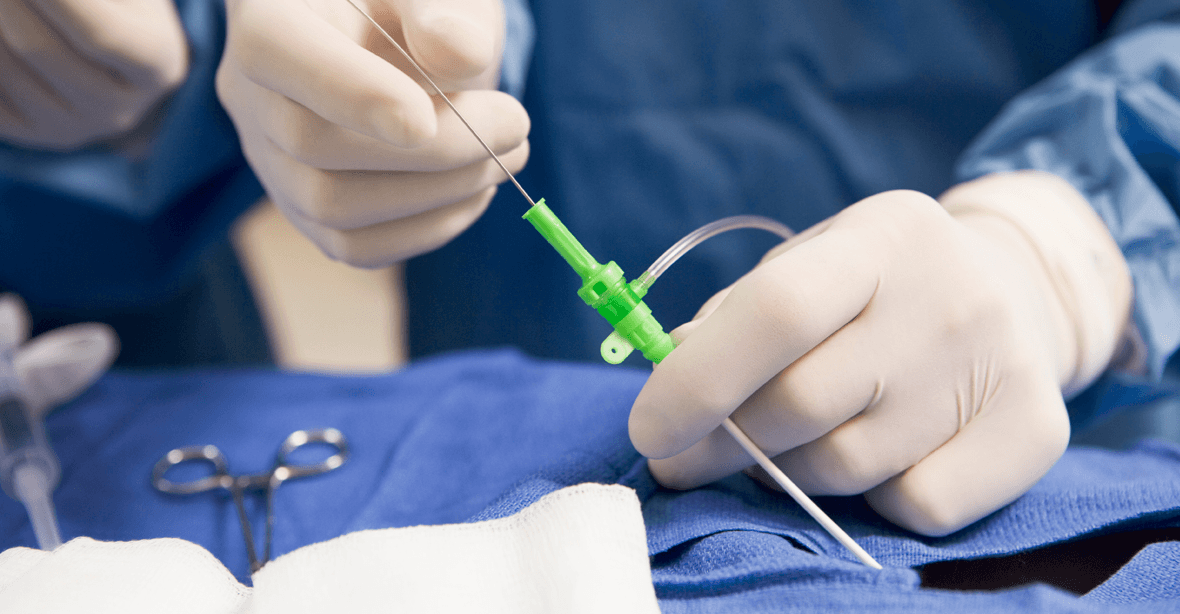
The PerQseal Elite is a sutureless system intended for use after procedures performed with 14- to 22-French sheaths. A fully bioabsorbable patch seals arteriotomies up to 26 French from within the vessel, enabling near-instantaneous hemostasis while leaving no permanent implant. Physicians can confirm hemostasis while maintaining guidewire access and retain the ability to reposition or recover the system until the implant is released.
This design targets practical challenges that arise during large-bore access. Procedures such as transcatheter aortic valve replacement and other structural heart or complex endovascular interventions commonly require sheaths in the 14- to 22-French range. Conventional options have long centered on suture-mediated devices or prolonged manual compression. These methods can extend procedure time, introduce additional steps for the surgical or interventional team, and, in the case of certain suture systems, leave permanent material at the access site. The fully bioabsorbable patch approach is intended to reduce those steps while supporting earlier hemostasis and avoiding a lasting implant.
Clinical data supporting the U.S. approval come from the prospective, single-arm, multicenter ELITE arterial study. Investigators reported zero percent major complications according to Valve Academic Research Consortium-3 criteria and a mean time to hemostasis of less than one minute. The device had already received CE Mark approval in Europe in 2025 for both arterial and venous indications. Haemonetics has indicated that additional clinical data from the ELITE study will be presented at the Transcatheter Cardiovascular Therapeutics conference scheduled for late October into early November 2026.

Jan Hartmann, M.D., Senior Vice President and Chief Medical Officer at Haemonetics, stated that the FDA approval represents an important milestone in the company’s strategy to strengthen its presence in advanced vascular closure with innovation aligned to evolving procedural needs. He noted that PerQseal Elite has the potential to further simplify minimally invasive procedures such as TAVR while supporting patient comfort and experience. Professor Nicolas van Mieghem, M.D., co-investigator of the ELITE study and an interventional cardiologist at ZOL Hospital in Genk, Belgium, described the system as easy to adopt and intuitive to use, with rapid hemostasis as a particularly notable feature. He added that the device integrated well into procedural workflows both during the study and in early clinical experience.
Haemonetics is a global medical technology company focused on blood management, plasma collection, and interventional technologies. Its interventional portfolio includes vascular closure systems and sensor-guided tools used in cardiovascular procedures. The Vivasure acquisition brought the large-bore, patch-based technology into the portfolio approximately nine months before the U.S. clearance. Company statements position the approval as expanding access for U.S. physicians and patients to a sutureless, fully bioabsorbable option for large-bore arterial closure.
Shares of Haemonetics rose modestly in extended trading following the announcement, reflecting market recognition of an incremental product addition in a competitive segment. Vascular closure devices form a recurring category within surgical and interventional supplies. Hospitals and ambulatory centers that perform high volumes of large-sheath procedures routinely evaluate new options for impact on procedure time, access-site management protocols, and inventory requirements. A system that allows confirmation of hemostasis while guidewire access is maintained can influence how teams sequence sheath removal and final closure steps.

For surgical services and supply-chain departments, the introduction of an additional large-bore closure device can affect tray standardization and training plans. Facilities that have standardized on suture-mediated systems may review compatibility with existing sheath sizes, the learning curve for the patch deployment technique, and alignment with institutional protocols for managing arterial access sites after structural heart or endovascular cases. Because the implant is fully bioabsorbable and leaves no permanent material, some programs may also consider implications for patients who require later re-access or imaging at the same site.
The broader context in late October 2026 includes continued growth in minimally invasive structural heart procedures and ongoing introductions of specialized tools for tissue management, robotic assistance, and access-site care. Large-bore closure remains a focused area within interventional supplies because the sheath sizes used in contemporary TAVR and related interventions exceed those addressed by many earlier-generation closure devices. Options that combine rapid hemostasis with the absence of permanent implants address practical workflow and patient-experience considerations that procedure teams evaluate when updating preferred product lists.
Haemonetics has described PerQseal Elite as addressing a differentiated need within large-bore closure by combining a sutureless design with the ability to confirm hemostasis while retaining guidewire access. Early European experience and the U.S. study results form the foundation for the current clearance. As the full ELITE dataset is shared at the upcoming TCT meeting, clinicians and supply professionals will have additional performance details to review before wider commercial adoption.
The approval adds one more specialized tool to the set of devices available for managing arterial access sites after large-sheath interventions. Surgical and interventional teams that routinely perform structural heart and complex endovascular procedures will be able to assess how the system fits within existing vascular closure strategies, training pathways, and inventory practices as availability expands. The focus remains on practical attributes—speed of hemostasis, absence of permanent implants, and integration into established procedural sequences—that influence day-to-day selection and use of surgical supplies in these high-volume settings.