While last week’s robotic-instrument clearances drew most of the attention, is just as important for medical and surgical supply programs. Intuitive expanded the European indication for its single-port robot. GE HealthCare launched an operations platform meant to forecast hospital bottlenecks 72 hours ahead. And cardiac labs continue to add MR-compatible catheters and mapping consumables as image-guided intervention moves off the traditional fluoroscopy table. Each item changes what has to be on the shelf, how rooms are scheduled, and which sterile packs get built.
The common thread is access. New natural-orifice approaches, better prediction of imaging and recovery delays, and radiation-sparing cardiac suites all increase case volume only if the supporting supplies, drapes, catheters, and turnover kits keep pace.
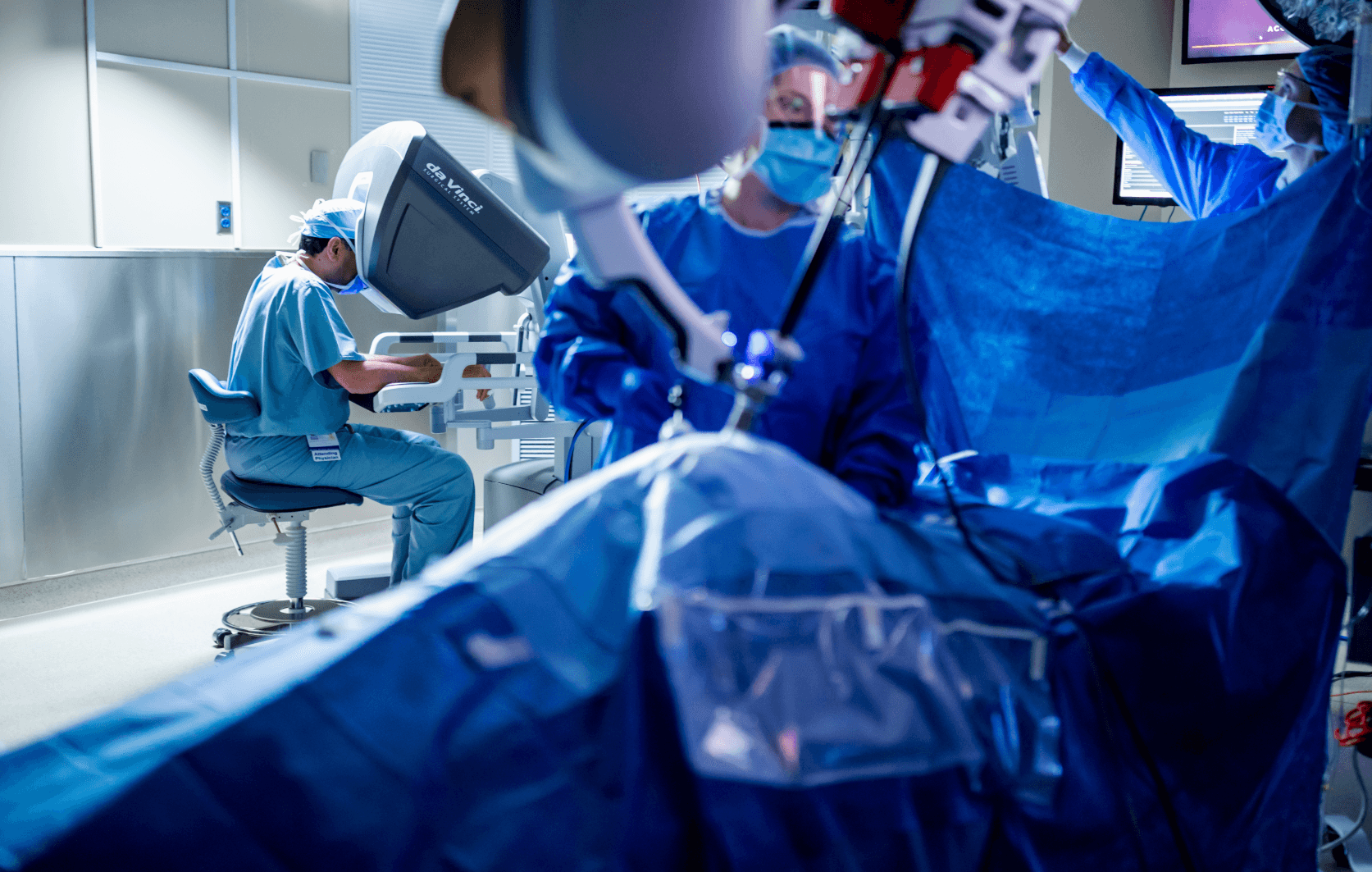
On September 14, Intuitive announced CE mark approval for transvaginal gynecologic procedures on the da Vinci SP (single-port) system. The company described it as a first-of-its-kind indication for SP. Europe already authorized the platform for endoscopic abdominopelvic, thoracoscopic, transoral otolaryngology, transanal colorectal, and breast procedures. The new mark lets surgeons reach gynecologic anatomy through a natural orifice rather than an abdominal incision.
Dirk Barten, Intuitive’s commercial president for Europe, said the approval builds on existing women’s-health use of SP and is intended to widen less-invasive options. Tilman Schlick, vice president of medical affairs for Intuitive in Europe, framed it as an extension of the system’s natural-orifice portfolio, which already includes transoral and transanal work. Intuitive also noted a large published evidence base for SP and said the system is approved in the United States, Japan, and Korea for a range of procedures. MedTech Dive reported that Intuitive placed 38 SP systems in the most recent quarter cited and that the installed base had reached 445 systems.
For supply teams, single-port and natural-orifice cases are not a simple swap of one drape pack for another. They change port hardware, instrument length and articulation needs, vaginal or transanal access sets, and often the mix of energy devices and suction-irrigation items on the field. Hospitals that already stock multi-port robotic trays will need a parallel SP preference card and a validated sterile-processing path so the extra indication does not stall because a specialized cannula or camera drape is missing.
On September 15, GE HealthCare introduced CareIntellect for Operations, an AI-enabled SaaS application designed to forecast capacity constraints up to 72 hours in advance. The Queen’s Health Systems and Duke Health will be the first implementers. The product analyzes bed availability, patient delays, staffing, wait times, and ancillary services, then recommends actions tied to discharge, imaging, transfer, and other throughput steps.
GE HealthCare said inpatient volumes rose 5.3 percent in 2025 and that many systems are running at or near capacity. Two proprietary models sit at the center of the application. Pressure Forecast looks at historical operations data plus real-time EMR and resource-management feeds to predict strain across units. Estimated Day of Discharge updates individual discharge timing, with the company saying estimates refresh hourly. The platform draws on more than two decades of hospital-operations work and on Command Center software already used by nearly 500 facilities.
That matters to surgical supply because delayed imaging, late PACU exits, and boarded emergency patients are among the reasons case carts sit unused and sterile packs expire on the shelf. A 72-hour view of imaging and recovery bottlenecks can change when procedure trays are opened, when consignment implants are pulled, and when high-cost robotic or interventional kits are staged. Materials managers who only watch OR block time will miss the constraint that actually cancels the case: no scanner slot, no recovery bay, no transfer bed.
The product is software, not a scalpel. Its effect on the supply room is still physical. Better forecasts should reduce emergency restocks, after-hours courier runs, and opened-but-unused sterile sets—the hidden cost of last-minute schedule changes.
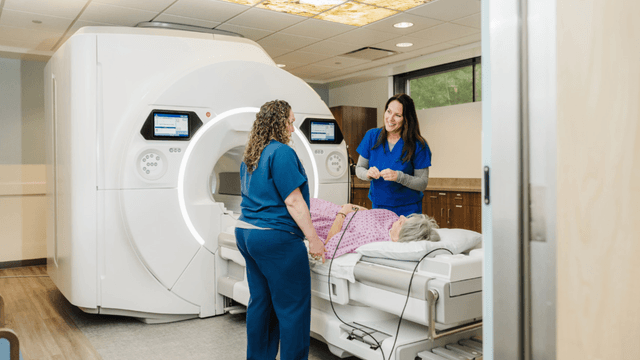
Philips and Imricor’s cardiac interventional MR lab solution, commercially positioned this summer and still circulating in September industry roundups, pairs Philips 1.5T MRI with Imricor’s NorthStar mapping and guidance system, Advantage-MR EP recorder/stimulator, and Vision-MR family of electrophysiology catheters. The configuration is meant to support MR-guided cardiac intervention without dropping field strength. Availability is immediate in CE-marked markets and, in some configurations, the United States, with additional U.S. setups pending further clearances.