January 2026 — United States
Mayo Clinic has begun offering a newly FDA-approved robot-assisted nipple-sparing mastectomy (RNSM), marking a significant advancement in breast cancer surgery and minimally invasive surgical care. The procedure, now available at Mayo Clinic campuses in Minnesota and Florida, reflects the growing role of robotic technology in complex oncologic surgeries and highlights how leading health systems are redefining standards of care through innovation.
The announcement follows recent authorization by the U.S. Food and Drug Administration (FDA), allowing the robotic approach to be used for selected patients requiring mastectomy while preserving the nipple-areolar complex. This development represents an important step forward for both patients and surgical teams seeking improved cosmetic outcomes without compromising oncologic safety.
What Is Robotic Nipple-Sparing Mastectomy?
Nipple-sparing mastectomy is a surgical technique that removes breast tissue while preserving the skin envelope and nipple-areolar complex. Traditionally, this procedure has been performed through open incisions, which can limit access, visibility, and cosmetic outcomes in certain patients.
The robotic approach changes that dynamic.
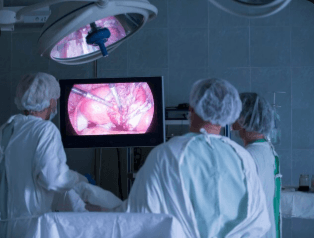
Using a robotic surgical platform, surgeons operate through a small, discreet incision—often placed away from the breast itself, such as in the axillary (underarm) region. High-definition, magnified visualization and wristed robotic instruments allow for precise dissection of breast tissue while minimizing trauma to surrounding structures.
According to Mayo Clinic surgeons, robotic assistance may offer several potential benefits:

• Smaller, less visible incisions
• Enhanced surgical precision and visualization
• Reduced tissue disruption
• Improved cosmetic outcomes
• Preservation of the nipple and skin in appropriate patients
While not all breast cancer patients are candidates, this technique may be particularly beneficial for carefully selected individuals undergoing prophylactic mastectomy or early-stage cancer treatment.
FDA Approval and Clinical Significance
The FDA’s approval of robotic nipple-sparing mastectomy is notable because it represents one of the first formal clearances of a robotic approach for this specific indication. Historically, many robotic surgical applications evolved through off-label use or incremental adoption. In this case, regulatory clearance provides reassurance regarding safety, performance, and clinical oversight.
Mayo Clinic’s rapid integration of the FDA-approved technique underscores its role as an early adopter of advanced surgical technologies. The institution has long been involved in evaluating robotic applications across multiple specialties, including general surgery, urology, gynecology, and oncology.
From a regulatory and compliance perspective, FDA approval also offers hospitals clearer guidance on credentialing, training, and device utilization—reducing ambiguity for surgical leadership and risk-management teams.
For patients, breast cancer surgery is not only a life-saving intervention but also a deeply personal experience with lasting physical and emotional implications. Preserving the nipple and skin envelope can significantly improve body image and quality of life following reconstruction.
Robotic assistance may further enhance these outcomes by reducing scarring and improving symmetry. Surgeons at Mayo Clinic emphasize that patient selection remains critical, and oncologic safety remains the primary driver of decision-making. The robotic approach does not replace traditional mastectomy techniques but expands the surgical toolbox available to experienced breast surgeons.
Importantly, Mayo Clinic has stated that this approach is offered within a structured clinical framework, ensuring patients receive appropriate counseling, imaging, and follow-up care.
Implications for Hospitals and Surgical Programs
Beyond patient benefits, the adoption of robotic nipple-sparing mastectomy carries important implications for hospitals and surgical systems:
1. Expansion of Robotic Surgery Programs
Hospitals with established robotic platforms may look to expand their service lines into breast surgery. This could require new training pathways, credentialing standards, and interdisciplinary collaboration between breast surgeons, plastic surgeons, and oncology teams.