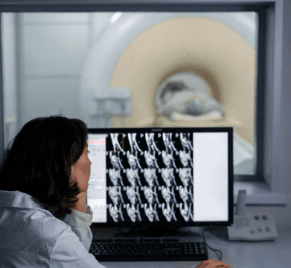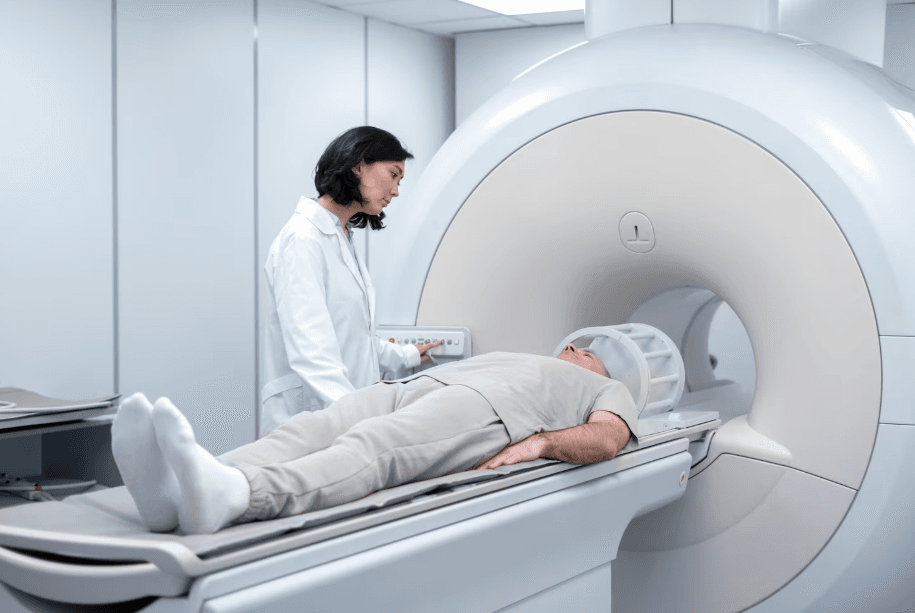
On November 19, 2025, the U.S. Food and Drug Administration (FDA) released an alert titled “Alert: Siemens Healthineers Issues Correction for 3 Tesla MRI Systems.” According to the alert, certain Siemens 3 T MRI models—including the MAGNETOM Verio, Skyra, Prisma, Vida, and Biograph mMR systems—are at risk.
The underlying defect involves ice formation (“ice blockage”) in critical venting paths of the magnet’s helium containment system. In the event that the superconducting magnet suddenly loses its superconductivity (a “quench”), helium must vent safely. If that vent is blocked, helium could rapidly build pressure, potentially rupturing the helium containment vessel and leading to a catastrophic helium release, or even an explosion in the scan room.
The FDA also noted serious potential health consequences including cold burns, asphyxiation, trauma, and even death, if this failure were to occur.
Siemens’ Recommended Actions
In response, Siemens Healthineers issued an Urgent Medical Device Correction on August 27, 2025, to all customers with potentially affected scanners.
Key safety protocols include:
1. If you see the error message:
“Magnet Supervision: The average heater power is above the alarm threshold. Please contact Siemens Healthineers Service”
— Immediately remove any patient from the scanner, do not reboot the system, and post a “DO NOT USE” warning near the device.
2. Secure the scan room: Lock or restrict access while the system remains energized.
3. Avoid manual quench: Siemens specifically warns not to initiate a manual quench, except in true emergencies.
4. Maintain emergency exits: All exit routes must remain clear and accessible; in fact, Siemens emphasizes that designated emergency exits from the scan room should always remain unobstructed.
5. Service inspection: Arrange for Siemens service personnel to inspect the venting system and correct any blockage as required.
6. Communicate the risk: All users and relevant staff must be made aware of the issue. If a scanner has been relocated, the new owner must also be notified.
7. Continued use: Surprisingly, Siemens allows continued use of the system until inspection is completed—but only under strict conditions and following the safety steps outlined.
1. Patient Safety Risk Is Non-Trivial
A quench event is rare but serious. If helium cannot vent properly, hospitals could face severe safety incidents: over-pressurization of the containment system, helium leaks, potential structural damage to the magnet, and risk of harm to patients and staff. Given the possible outcomes cited by the FDA—cold injury, trauma, even fatality—this is not a theoretical issue.
2. Operational Disruption
Facilities using affected systems must immediately review their inventory of 3T scanners, identify units covered in the correction, and apply warning labels or “do not use” signage if needed. Scheduling flexibility may be required: until an inspection is completed by Siemens service, systems might need to be locked or restricted. This could disrupt high-throughput imaging workflows, especially in centers performing advanced MRI exams or PET/MR.
3. Resource Allocation for Service
Engineering and clinical service teams must prioritize inspections. Siemens has already activated its service deployment, but hospitals may need to coordinate access, reallocate resources, and plan for possible downtime. In addition, engineering leadership should ensure that qualified staff are prepared to facilitate inspections and possibly remediate blocked vent lines.
4. Risk Management & Emergency Planning
This alert highlights the importance of existing emergency plans. Imaging departments should review their protocols for quench events, ensure all personnel know evacuation routes, and confirm that emergency exits remain clear. Institutions may also want to simulate a “worst-case” scenario to validate staff readiness and ensure they are not caught off guard.
5. Regulatory Compliance & Documentation
Because this is a Class 1 correction, it carries regulatory weight. Hospitals must document their response: confirmation of receipt of Siemens’ notification, inventory audits, “do not