On September 16, 2026, Medtronic announced U.S. Food and Drug Administration clearance of the LigaSure RAS Maryland jaw instrument for the Hugo robotic-assisted surgery system. The news is easy to file as another robotics headline. For medical and surgical supply programs, it is a tray event. A vessel sealer used in more than 45 million open and laparoscopic procedures is now a platform-specific robotic SKU, tied to a defined energy generator, and it will not sit correctly on a generic laparoscopy cart.
That distinction is the story hospitals should publish internally this week: not that robotics is growing, but that familiar energy tools are being recoded as robot-only instruments, with new par levels, inspection steps, and consignment rules.
The LigaSure RAS Maryland is designed exclusively for the Valleylab FT10 energy platform on Hugo. It seals and cuts vessels, thick tissue, and lymphatics up to and including 7 millimeters in diameter. Medtronic said vessels seal in about two seconds with limited thermal spread to surrounding tissue. The company called it the first robotically driven LigaSure instrument. The same technology received a CE mark for use with Hugo in Europe in 2025; the September clearance brings that capability to U.S. robotic rooms.
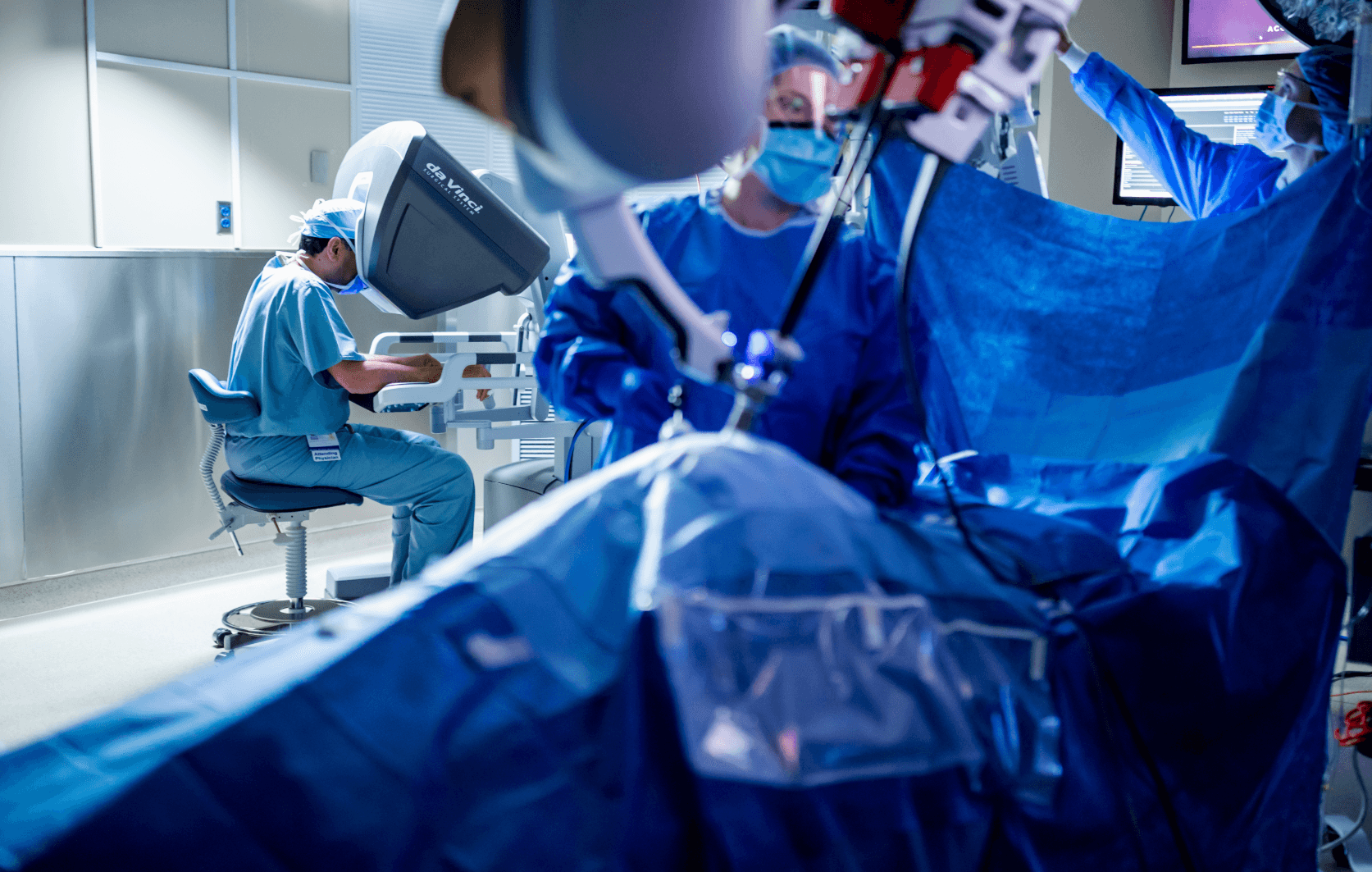
Hugo itself is cleared in the United States for adult minimally invasive urologic procedures and is in commercial use at a growing number of hospitals. Medtronic has already filed 510(k) submissions to expand Hugo into general surgery, including hernia repair, and into gynecologic surgery. The energy-instrument clearance therefore arrives while the company is still widening indications. Surgeons who adopt Hugo for urology this year may be asked to use the same console for soft-tissue work later. The instrument list has to be ready before those indications land, not after the first converted case.
Dr. Matthew Kroh, chief medical officer for Medtronic’s surgical business and a practicing surgeon, said vessel sealing sits at the center of the most demanding moments of a procedure and that surgeons have trusted LigaSure across open and laparoscopic surgery for decades. Bringing that performance onto Hugo, he said, lets teams carry existing confidence into robotic cases.
That clinical continuity is exactly why supply teams cannot treat the device as optional. If surgeons already know LigaSure, they will ask for it on the robot as soon as it is stocked. Preference cards will change faster than capital committees usually expect.
Robotic energy instruments look similar to laparoscopic jaws in a catalog photo. They are not interchangeable on the field. The RAS Maryland depends on the Valleylab FT10 housed with Hugo. The wrong generator, cable, or jaw version turns a cleared instrument into an unused sterile package. Hospitals that store “LigaSure” as one item master will issue the handheld laparoscopic version into a Hugo room and discover the mismatch after the patient is draped.
Par levels have to be rebuilt around robotic case volume, not around historical laparoscopic sealer use. A urology service running three Hugo rooms will burn RAS Maryland instruments on a different cadence than an open-surgery service using conventional LigaSure. Consignment contracts should name the robotic SKU, the generator compatibility, and the return rules for opened-but-unused sterile packaging.
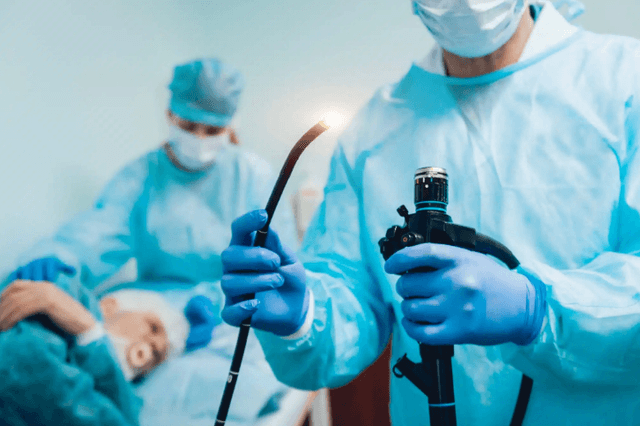
Sterile processing is the second bottleneck. Robotic instruments often require different inspection points, cable checks, and tray maps than handheld energy devices. If SPD still uses the laparoscopic LigaSure work instruction, damaged insulation or a mis-mated jaw can leave the OR. Training for SPD and surgical techs belongs on the same implementation checklist as surgeon credentialing.
Drapes and accessories move with the instrument. Hugo rooms already consume platform-specific drapes, arm covers, and sterile accessories. Adding an energy line increases the number of items that must be present before timeout. Incomplete carts delay incision more often than missing robots do.
Medtronic’s pending general-surgery and gynecology filings matter because energy use is not uniform across specialties. Hernia, colorectal, and gynecologic cases use vessel sealing at different steps and on different tissue thicknesses than many urologic procedures. If those indications clear, hospitals will need specialty-specific trays that all include the RAS Maryland—or a documented reason they do not. Copying the urology cart into a hernia room is how the wrong needle drivers and the right sealer end up in the same incomplete set.
International experience is a preview, not a substitute for U.S. inventory work. Hugo has been used in more than 35 countries across urology, general surgery, and gynecology. European sites that already run LigaSure on Hugo can tell U.S. materials managers which accessories actually turn and which stay in the warehouse. Those conversations should happen before the first U.S. general-surgery case, not after a stockout.
Hospital group purchasing and inventory platforms are moving toward scan-based capture of unique device identifiers on medical supplies. Vizient’s move to add SxanPro scanning and UDI data collection is one example of that shift in the same news cycle. For a robot-specific energy device, UDI scanning is how a buyer confirms the item in the bin is the RAS Maryland, not a look-alike laparoscopic jaw with a similar brand name.
Cycle counts once a month will not catch a robotic sealer that was opened for a canceled case and returned to the wrong shelf. Point-of-use scan-out at the Hugo room, tied to the case ID, is the control that matches the risk.
The same discipline applies to expiration and loaner flow. High-cost energy instruments circulate among rooms and sometimes among hospitals in a system. Without UDI-level history, a damaged device can re-enter a tray after an incomplete repair.
Create a distinct item master for LigaSure RAS Maryland and block substitutions from laparoscopic LigaSure in the robotic preference card.
Confirm every Hugo room has a validated Valleylab FT10 configuration and labeled cables stored with the robot, not in a shared energy closet.